
Post-harvest
The loss happens after harvest
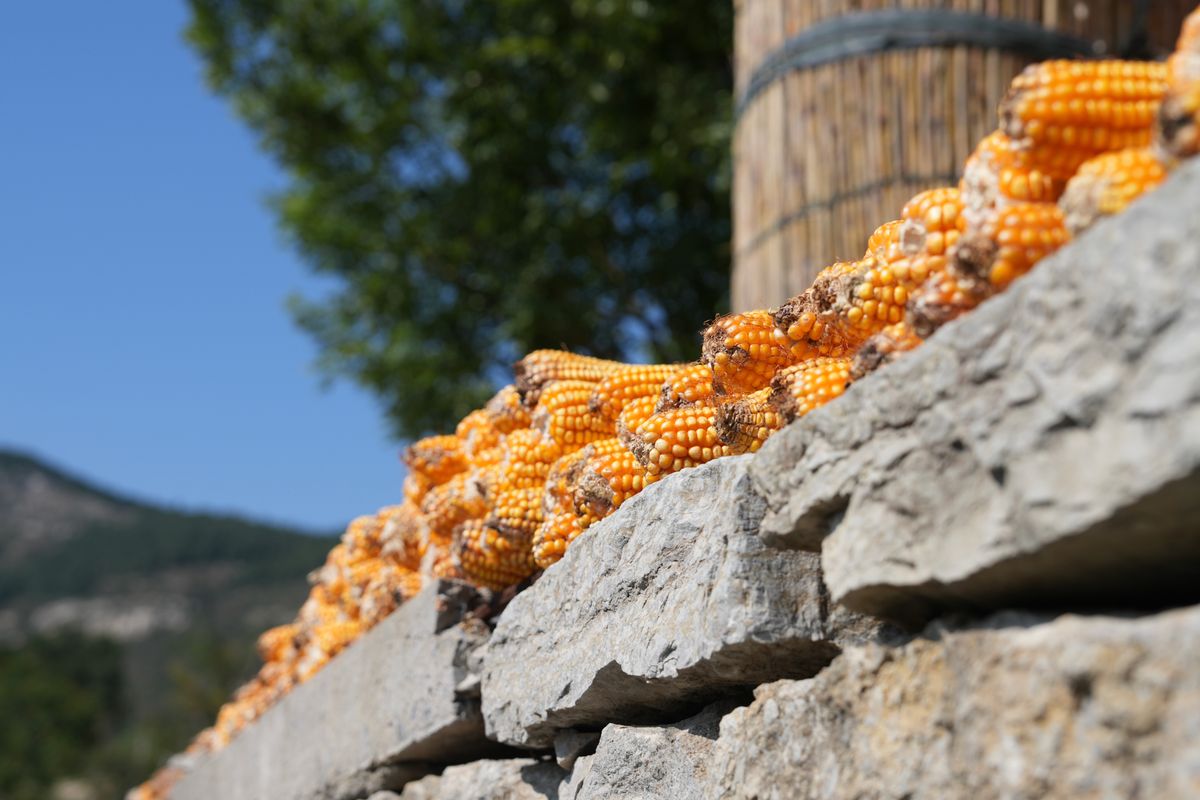
Everyone optimises yield. In Nigeria a large share of the value is lost between the field and the buyer — and that loss is the cheapest thing to fix.
A yield improvement is expensive. It needs better seed, better timing, better inputs, better weather and a season of patience. A post-harvest loss reduction is cheap by comparison: drying, cleaning, grading, storage and a moisture reading can be the difference between a rejected lot and a premium one.
This is why Stage 2 of the Ifenri plan is not processing. It is drying, storage and sensing, sold with an anchor cooperative, against a loss baseline we measure before we install anything.
The measurement matters more than the equipment. If you cannot say what the loss was before Ifenri arrived, you cannot claim you reduced it, and the farmer has no way to check your invoice. So the baseline comes first: how much is lost between harvest and sale, in what form, and at what moisture.
Only then does a solar dryer or a sensor node earn its place — and only if the numbers say it pays for itself inside the season.
Ifenri
Written from the founder blueprint v3.0 and the field. Where something is unverified, we say so in the text rather than stating it as fact.
Start the conversation
Make food secure and farming profitable — at the same time
Tell us your crop, your hectares and where you lose money today. We will tell you honestly whether Ifenri can improve that hectare yet — and if we cannot, we will say so.
Farmers & cooperatives
Book mapping, scouting or machinery for your cluster. Pilots are paid and measured from the first hectare.
Book a field serviceBuyers & processors
Talk to us about reliable, traceable supply and where the loss actually happens in your crop.
Discuss supplyFunders & partners
Read the working plan, the gates, and the unit economics before you commit a naira.
Investor brief