
Services
Ten services, one food chain
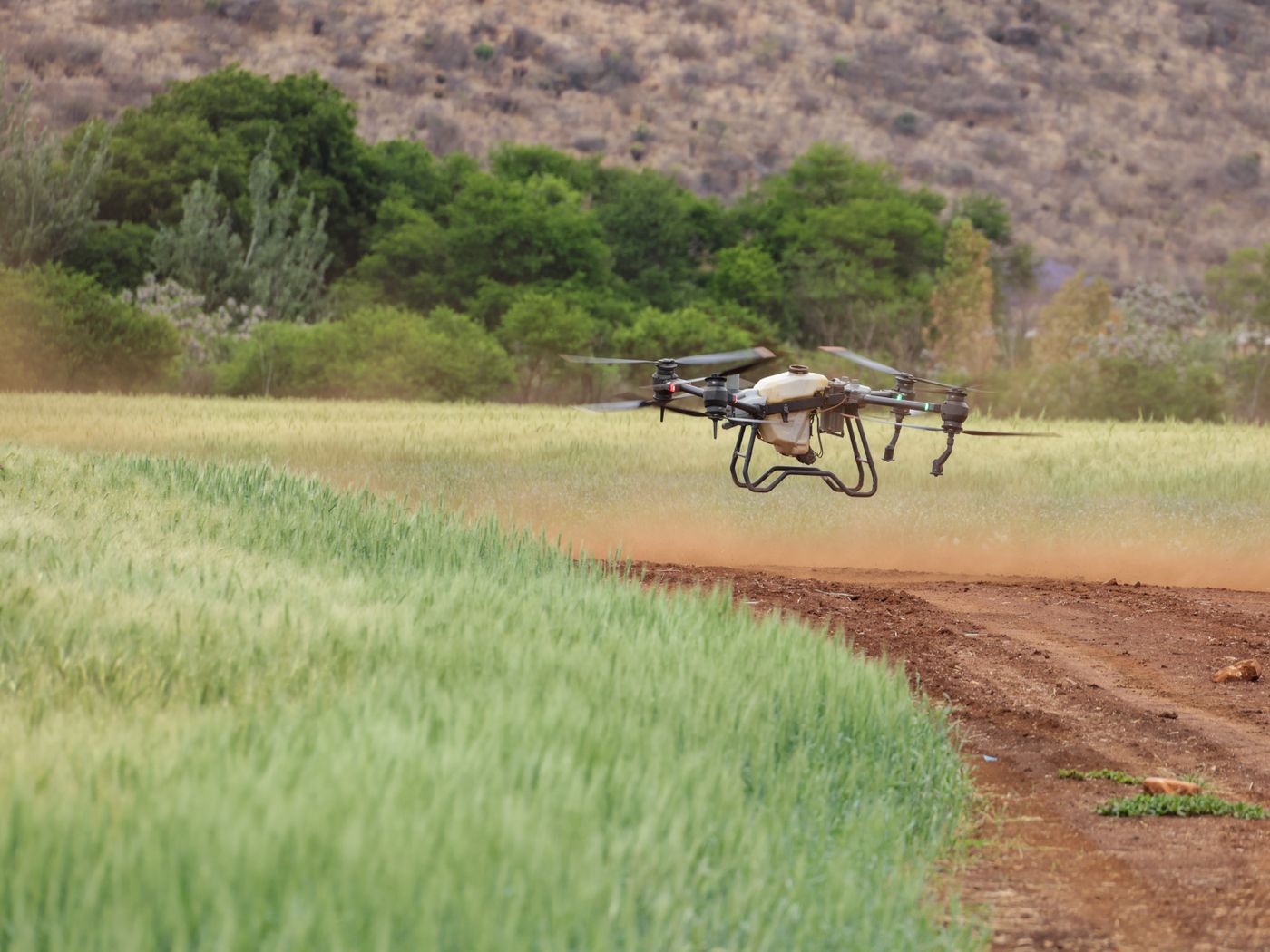
Ifenri sells measurable per-hectare results, not equipment. Every service below reuses the same autonomy core, fleet software and data engine — which is why the tenth is far cheaper to build than the first.
- Stage 1 live
- Month 1–3
- Target margin
- 35%+
- Priced
- Per hectare
- Human in loop
- Always
The line
Ordered by the month each one launches
Nothing on this page is sold before it can be delivered safely and legally. Where a service sits behind a regulator, we say so on its own page.
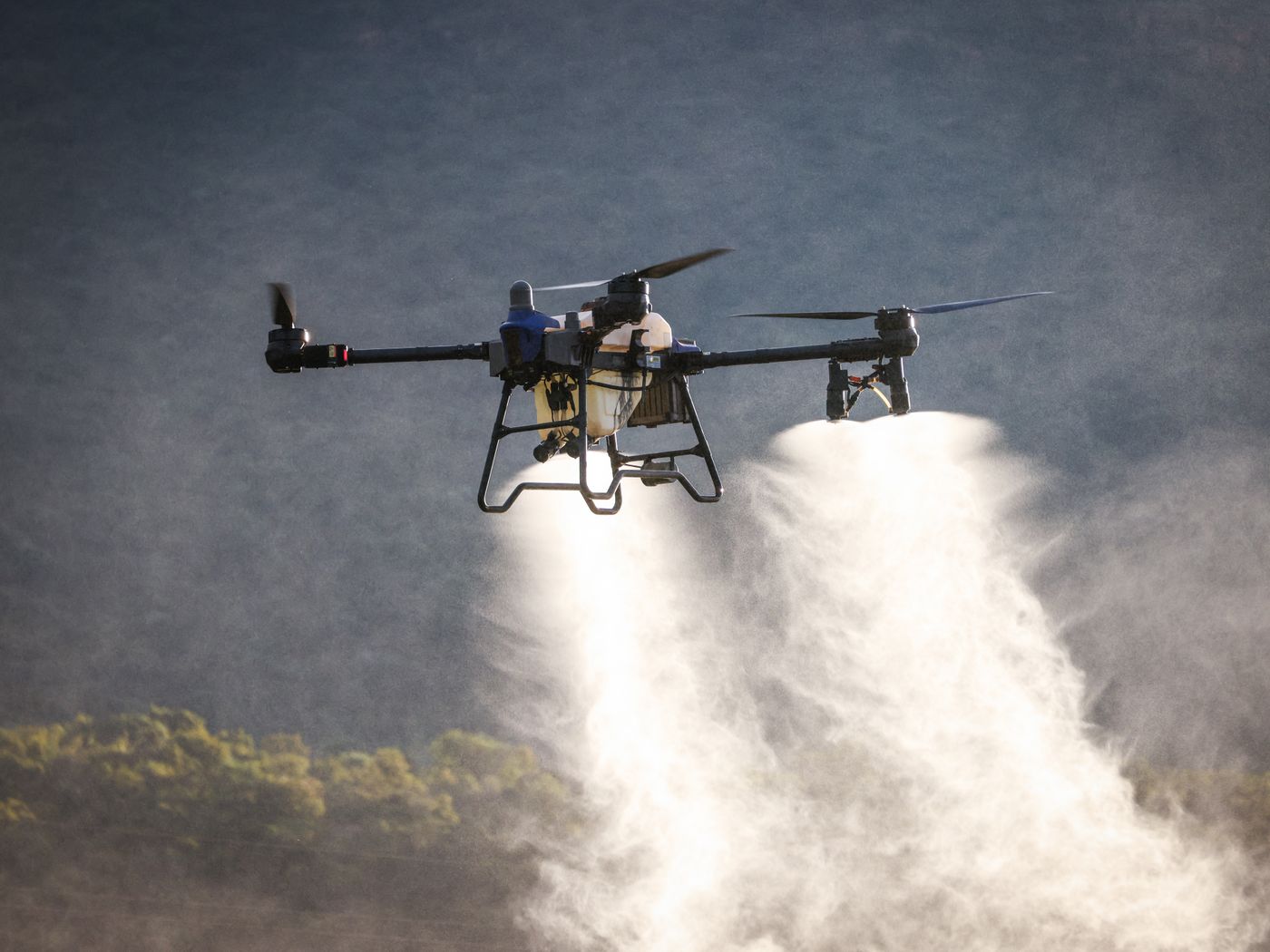
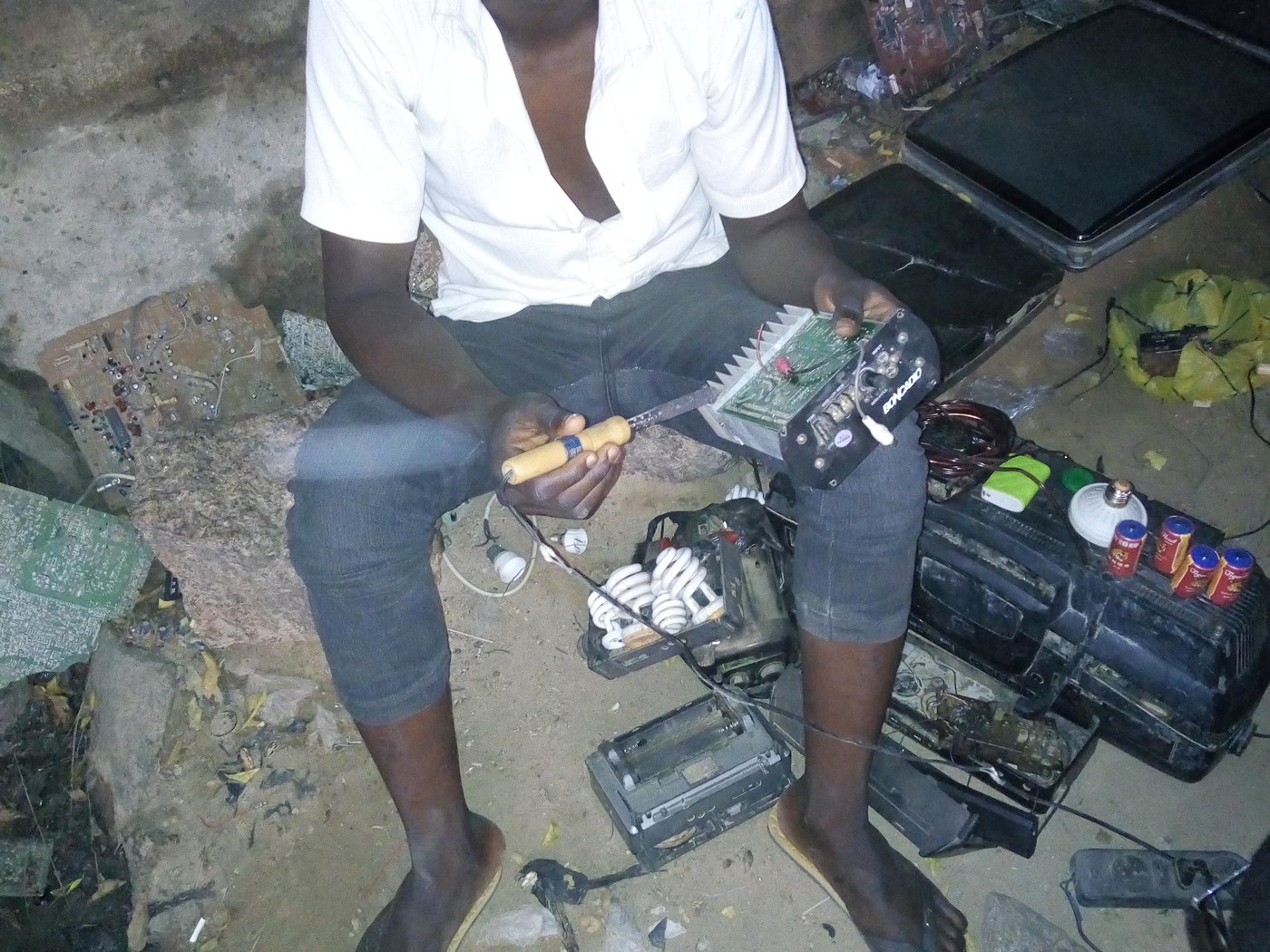
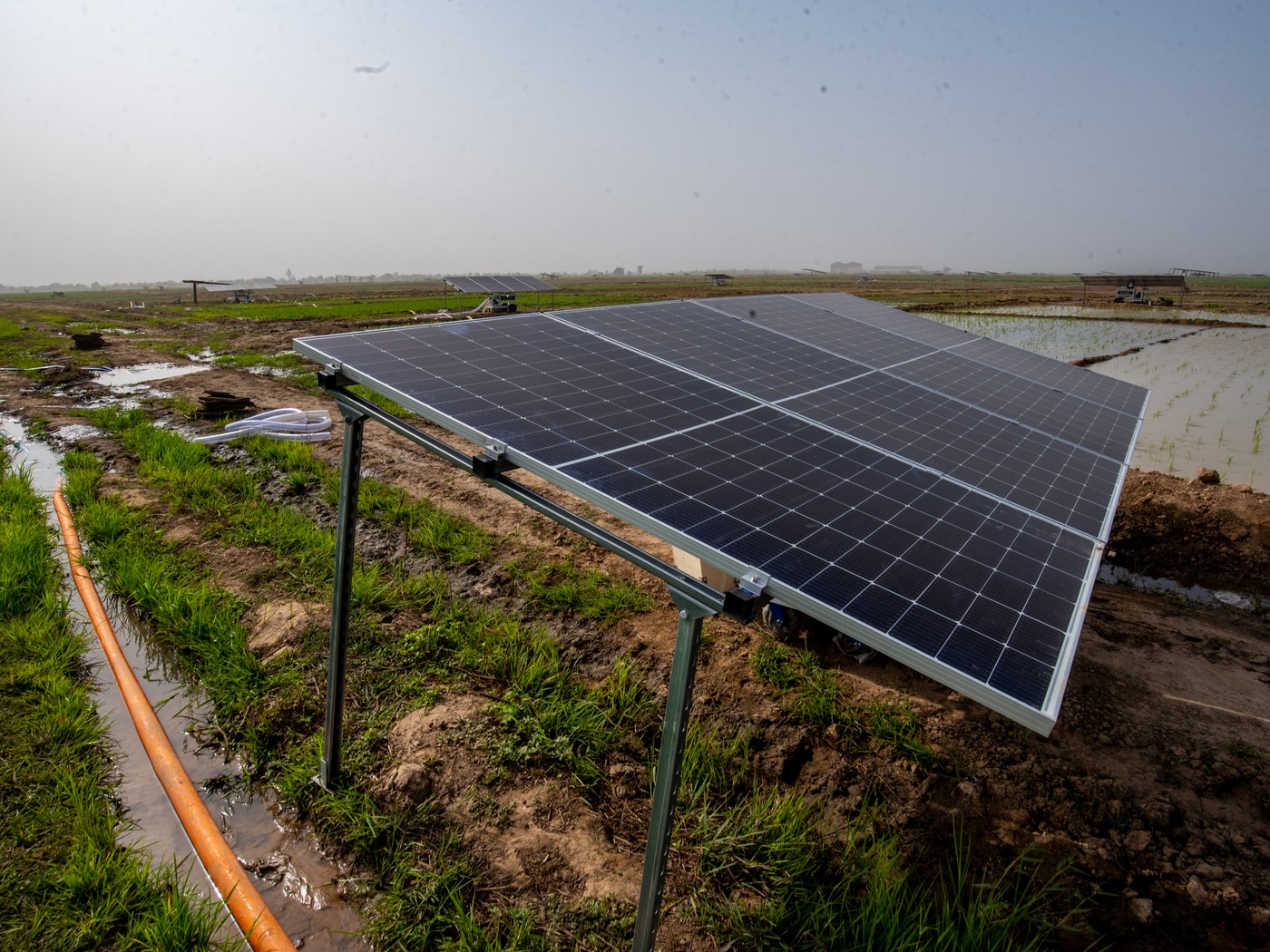
Stage 1 — Farming
7 services
Stage 2 — Post-harvest and storage
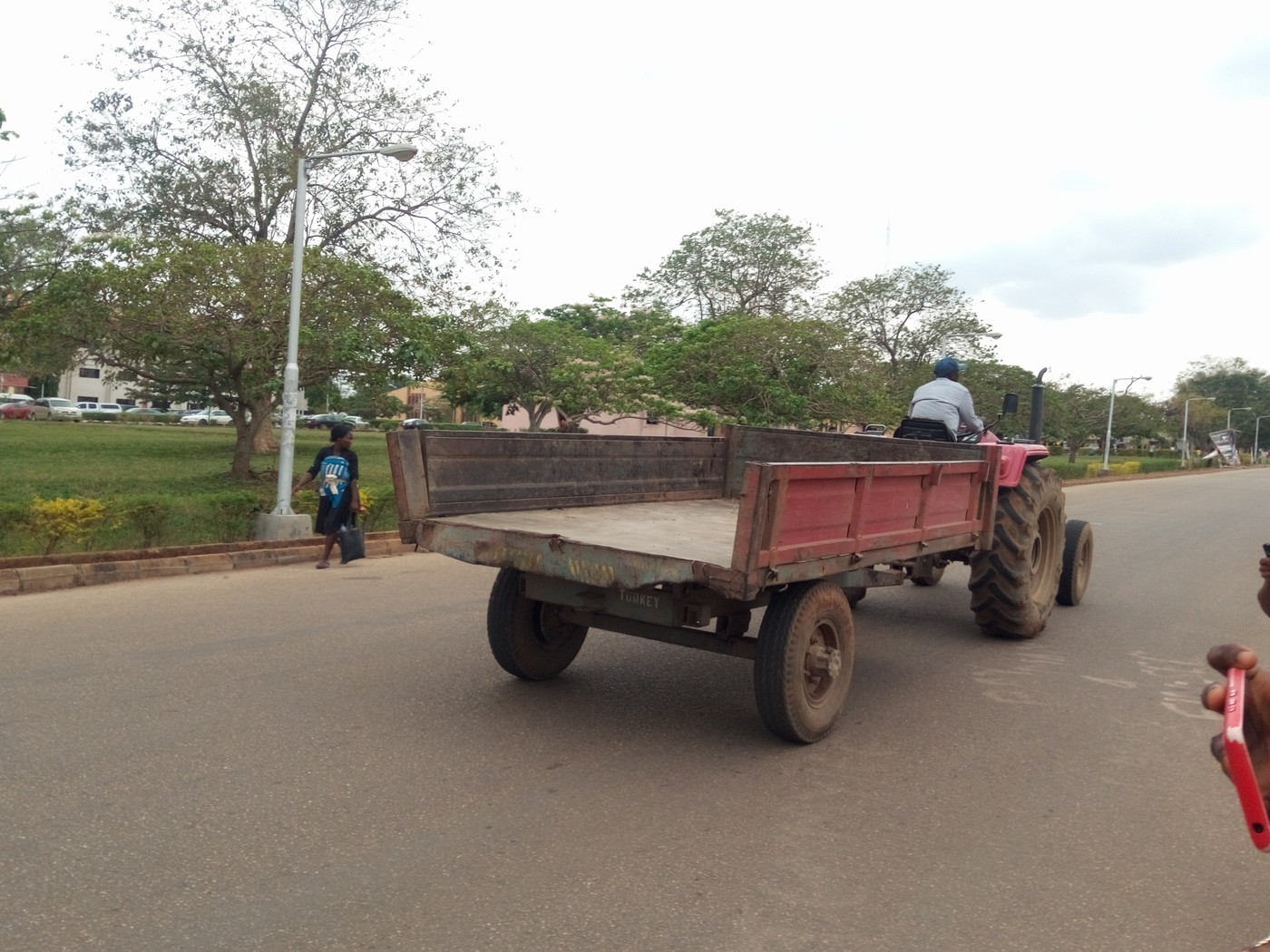
1 service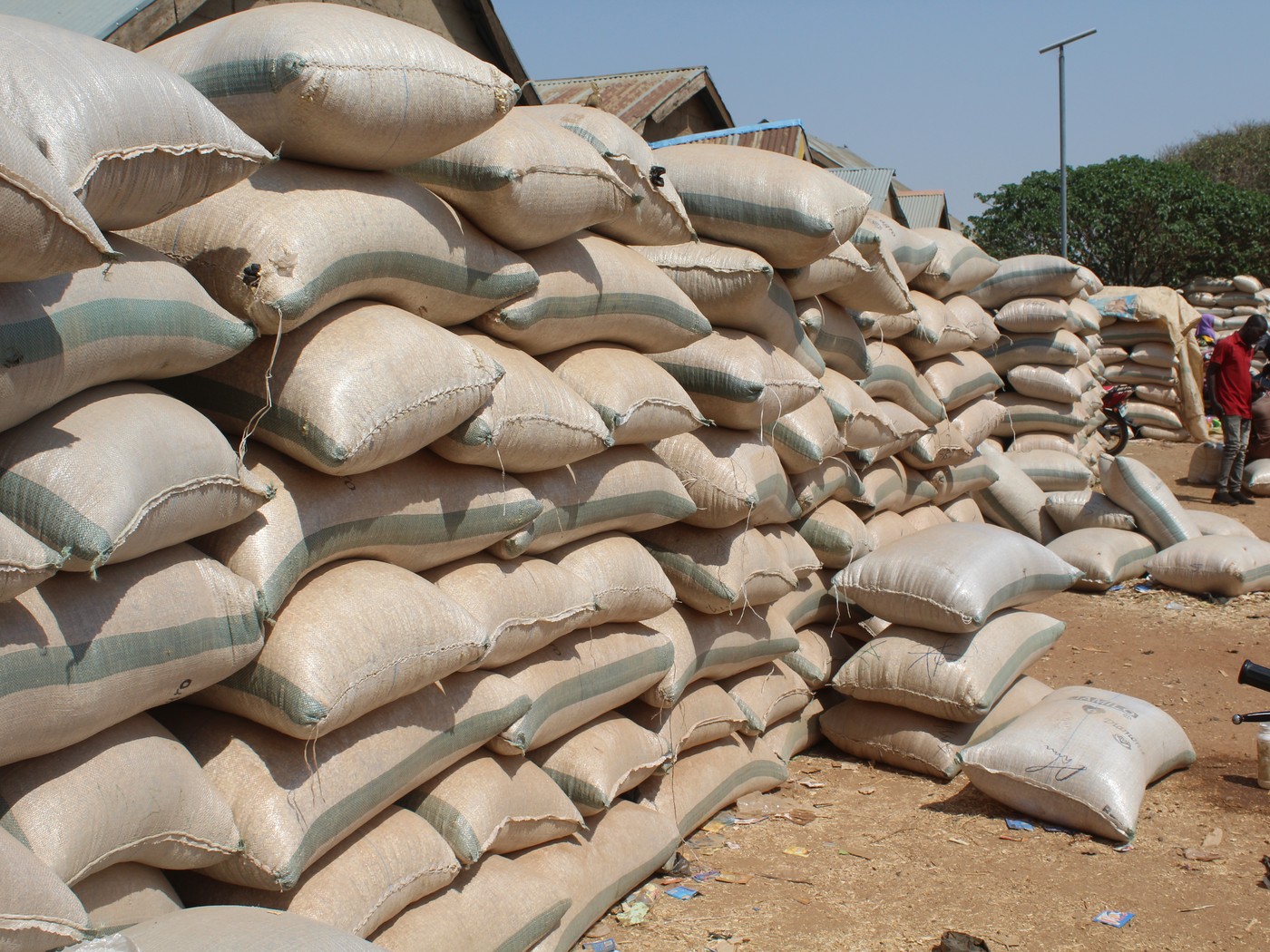
Stage 3 — Processing and market
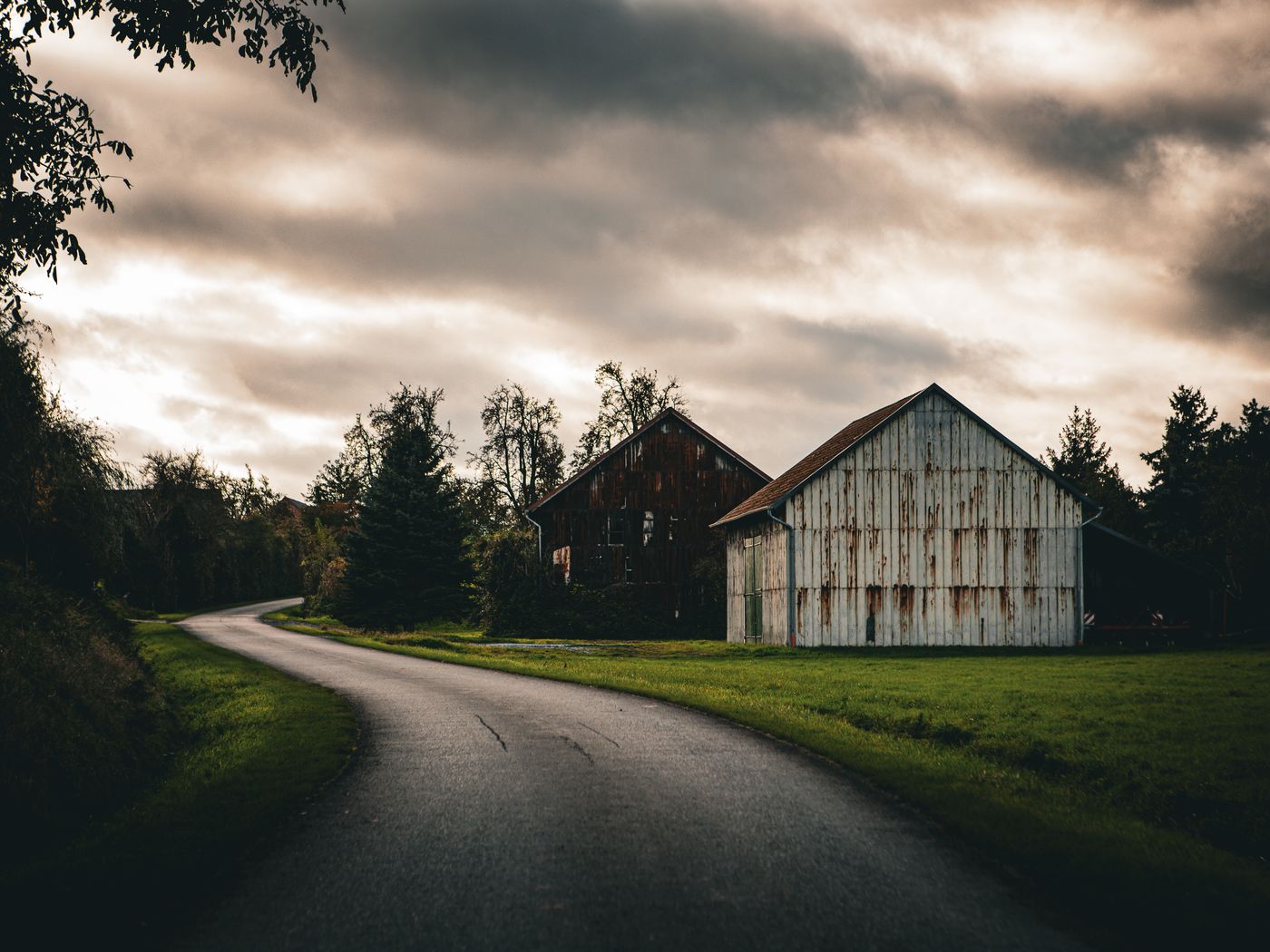
2 services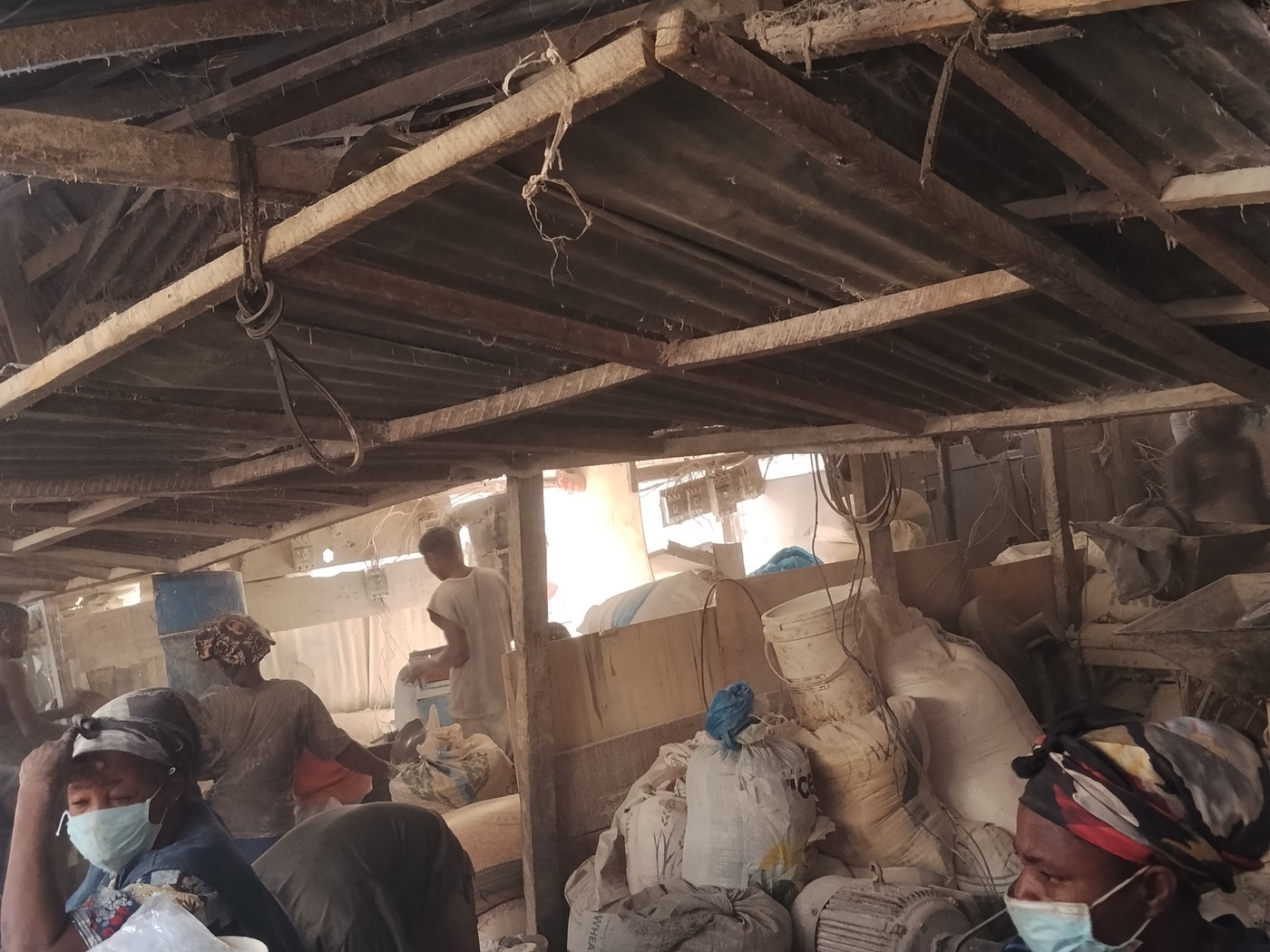
Who buys first
Organisations that already spend money on farming
Ifenri sells first to buyers who already pay for labour, chemicals and machinery, because they can judge a per-hectare result and pay for it. Smallholders are reached through cooperatives and financing, not one at a time.
| Customer | Why they buy | What they buy |
|---|---|---|
| Medium and large commercial farms | Lower labour and input costs, and faster operations | Mapping, spraying, mechanization |
| Cooperatives | Coordinate many smallholders; need shared machinery | Shared machinery, monitoring, advisory |
| Commodity aggregators | Reliable, traceable supply | Farm data, yield estimates, quality monitoring |
| Off-takers and processors | Predictable supply and quality | Crop monitoring, traceability, harvest planning |
| State mechanization programmes | Efficient deployment of machines | Software, operations, maintenance — not the first revenue source |
State mechanization programmes are listed last on purpose. They are a real customer, but the blueprint is explicit that they are not the first revenue source — commercial demand has to come first.
How margin is computed
Every cost line that stands between price and profit
We do not publish a margin and ask you to believe it. This is the template we fill in per hectare, per cluster, and re-check monthly. The target is 35% or better on core services; the actual figure is whatever these lines produce.
| Line | Per hectare |
|---|---|
| Price charged | per hectare |
| Pilot or operator cost | — |
| Battery and energy cost | — |
| Chemical cost, if included | — |
| Transport cost | — |
| Maintenance reserve | — |
| Insurance allocation | — |
| Software cost allocation | — |
| Gross profit per hectare | price minus all costs above |
| Time required | hours per hectare |
For robots, track more
- Bill-of-materials cost per unit, and per hectare-year of service
- Uptime, mean time between failures, and repair time
- Operator hours per robot hour
- Cost to serve per cluster: transport, spares, technician time
These are metrics to instrument, not results we have. No robot has been built yet, so none of them has been measured.
Why this is a template. The numbers depend on your cluster, your crop and current fuel, chemical and battery prices. We fill it in with you, from your receipts, and re-check it monthly.
Why it holds together
Eight layers, built once
The reason ten services are affordable is that they are not ten products. They are one platform with ten front doors.
Autonomy core
Perception, localization, mapping, planning and control.
Reused in: Rovers, tractor kits, sorting lines, storage monitoring
Safety supervisor
Emergency stop, geofencing, watchdogs, human approvals, logging.
Reused in: Every machine, every stage
Hardware platform
Modular chassis, power modules, sensor mounts, enclosures.
Reused in: Rovers, docks, sensor nodes, dryer controllers
Fleet & remote operations
Job dispatch, telemetry, remote assistance, OTA updates.
Reused in: All service businesses
Data engine
Collect, label, train, evaluate, deploy, monitor.
Reused in: Crop models first; then storage, quality, market
Service network
Trained pilots and technicians, spare-parts depots, training.
Reused in: Every stage; hard for competitors to copy
Financing rails
Pay-per-use, cooperative leasing, harvest-linked repayment.
Reused in: Farms, then storage, processing and market partners
Manufacturing & quality
Sourcing, assembly, testing, documentation, quality system.
Reused in: All hardware, including future processing equipment
How we work
From a first flight to a repeatable hectare
The whole business is built on one loop, run honestly and in the open. Nothing gets added to the chain until the step before it pays for itself.
Pick one cluster
One state, one crop, one tight cluster of farms you can actually reach. Scored on trust, security, demand, density, robot test fit and off-take — then written down.
Sell a paid pilot
Ten organizations that will pay something, even at a discount. Success measures agreed in writing before the first flight. The field teaches us what to build next.
Prove the hectare
Positive gross margin per hectare after direct costs, at least half intending to reorder. Only then do we add the next service, the next machine, or the next stage of the chain.
The chain
Four stages, added one at a time
We do not attempt the whole chain at once. Farming first, then post-harvest, then processing, then market and data products. Each stage needs its own customers, rules and skills.
Explore the chain- 01Years 0–3
Farming
Paid pilots with positive margin per hectare
- 02Years 2–6
Post-harvest & storage
Anchor cooperative or aggregator; Stage 1 repeatable
- 03Years 3–8
Processing & market
Anchor processor or off-taker; food-safety path clear
- 04Years 5–10+
Data dividend
Consent framework, named partners, repeatable model

Start the conversation
Make food secure and farming profitable — at the same time
Tell us your crop, your hectares and where you lose money today. We will tell you honestly whether Ifenri can improve that hectare yet — and if we cannot, we will say so.
Farmers & cooperatives
Book mapping, scouting or machinery for your cluster. Pilots are paid and measured from the first hectare.
Book a field serviceBuyers & processors
Talk to us about reliable, traceable supply and where the loss actually happens in your crop.
Discuss supplyFunders & partners
Read the working plan, the gates, and the unit economics before you commit a naira.
Investor brief